Great client partnerships are built on trust. And oftentimes, we're given the trust to explore ways to make the work even stronger. Even if it's a little different than what was originally discussed at the start of the project.
And this spirit of experimentation led us to our latest offering. DD Docs.
DD Docs is shorthand for a production style that uses documentary-style techniques to help our clients tell a deeper story. We're talkin' expanded interviews, site visits, ambient audio capture on-location, slice-of-life B-roll and more. Demo Duck has produced testimonial interview videos for years, and to push the creativity, we started experimenting with adding documentary-style elements to the overall production—much to our clients' delight upon seeing the final edit. This approach can give a rich depth to an organization and its people, and it's really engaging to watch too. So we thought—hey, why don't we do these more?
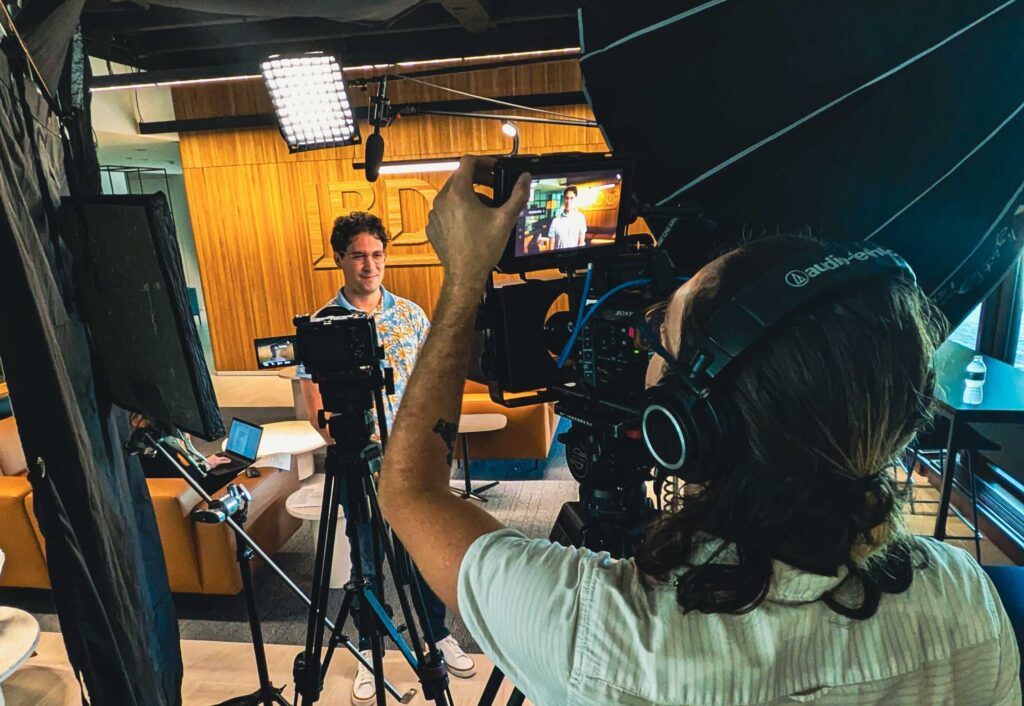
I chatted with Cody Benefiel, Head of Live-Action Production, about how DD Docs came to be and how he views this offering as the perfect antidote to the current AI era. Oh, and that's the man himself in the photo above, helping test the shot in front of the camera.
Ok, I'll bite. What are DD Docs?
Cody: You'll bite? You asked to do this interview! Ok. DD Docs are marketing videos where we utilize documentary-style filmmaking techniques to add context and depth to a client's live-action video project. Archival photos or video. Fly-on-the-wall-style footage filmed around their office. Ambient audio. All these elements can be used to artistically elevate say, a testimonial video. Or a company overview video. It can make these pieces of video content feel even more human.
We've been experimenting with these techniques in live action projects for years. For example, a client originally came to us looking for a single interview with one of their executives. You know. Single camera, testimonial style. But we told them that they could actually get more out of their budget if they let us interview multiple people and also capture b-roll around their office. They agreed. We did the shoot and then shared the edit that featured these fresh new storytelling elements in it. And guess what? They loved it!
That project—thanks to our guidance—evolved into a 'docu-style' before the actual shoot date. That's really important. Knowing that you want to do that style early on. That way, you have access to interviews, archival videos or photos—everything you need to really make it sing. It's super authentic and it's hard to retrofit it. This is another reason we want to offer DD Docs as a capability. It's on the menu and if you order it, we can add all the right ingredients before cooking.
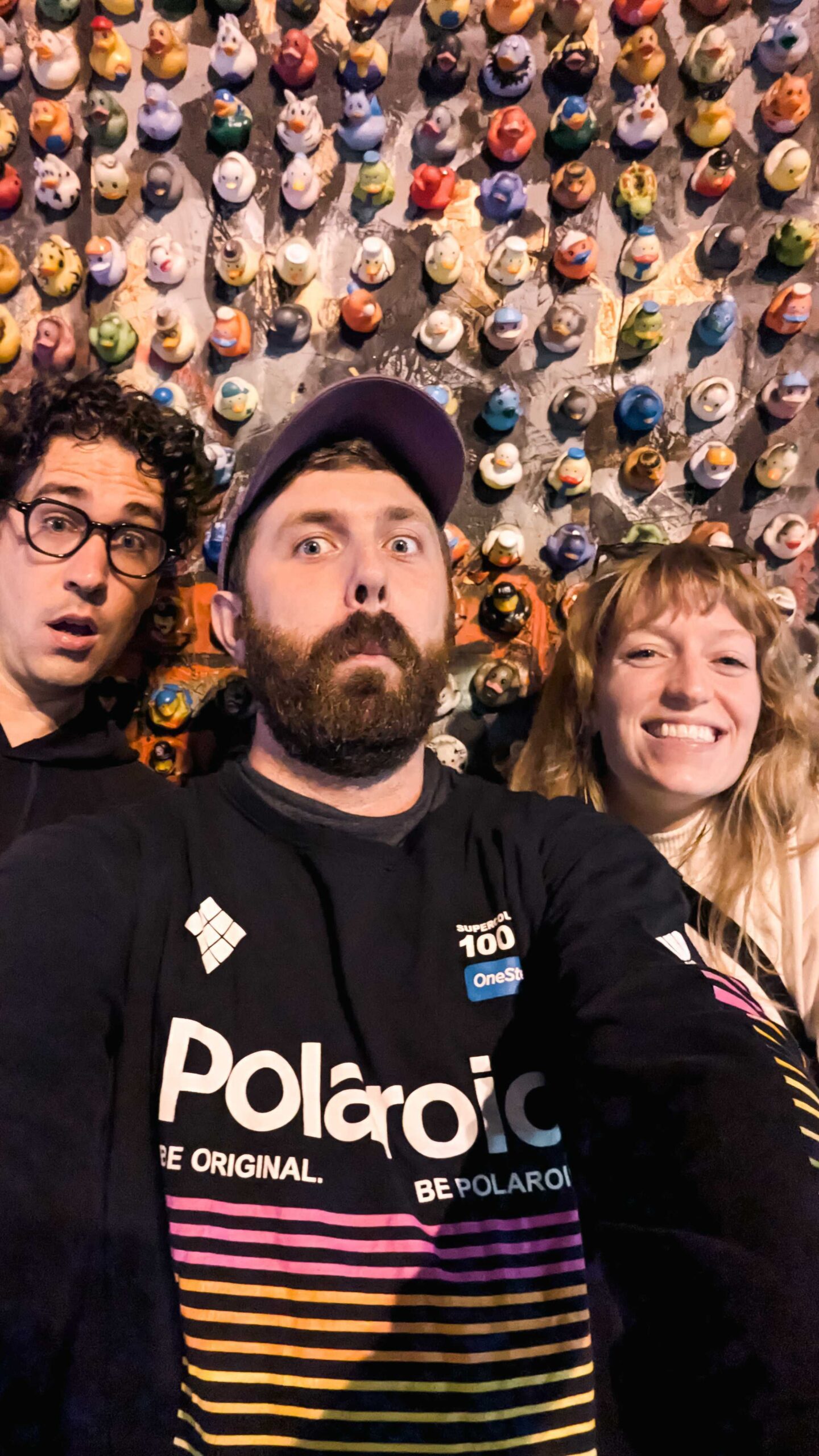
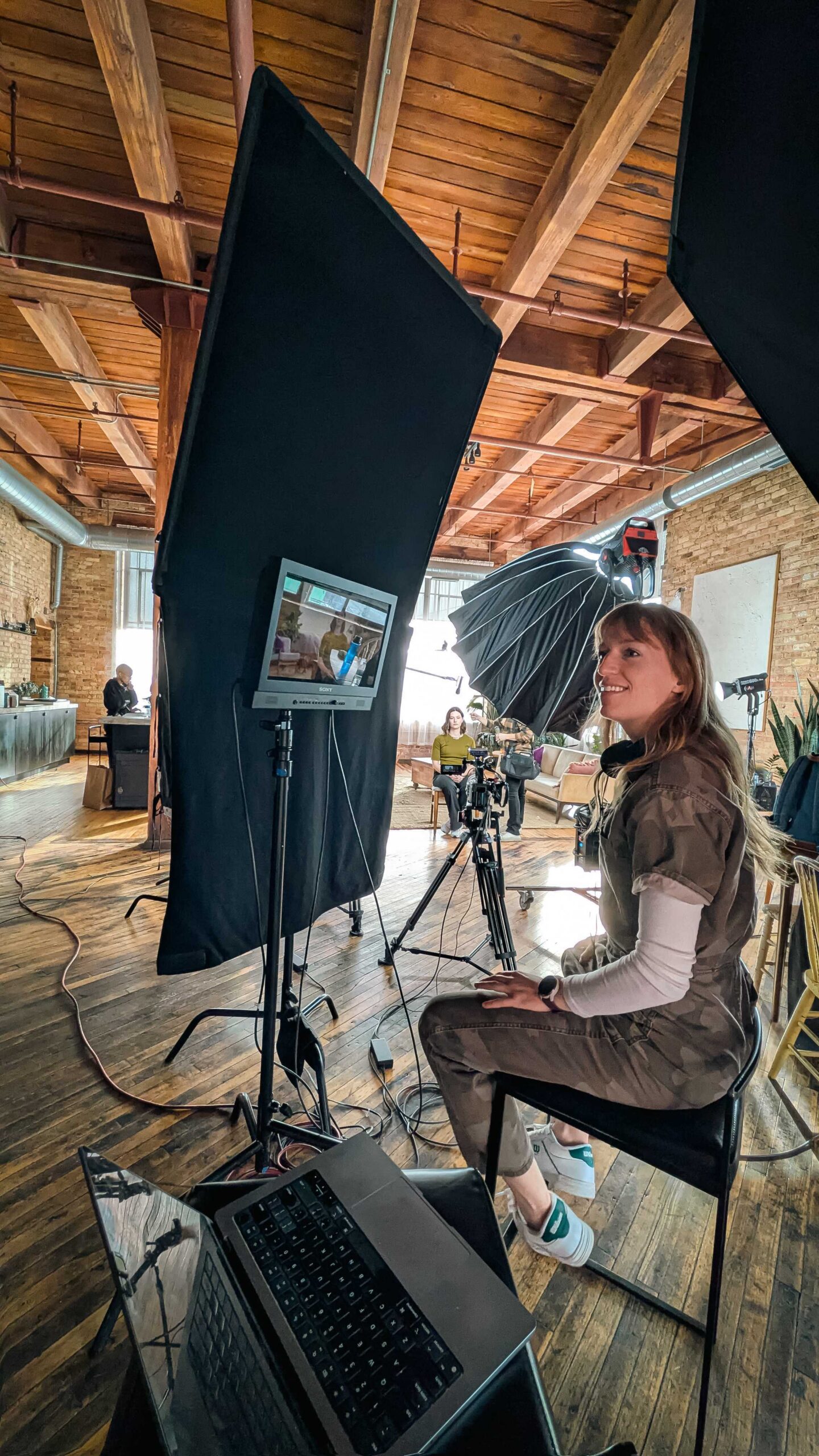
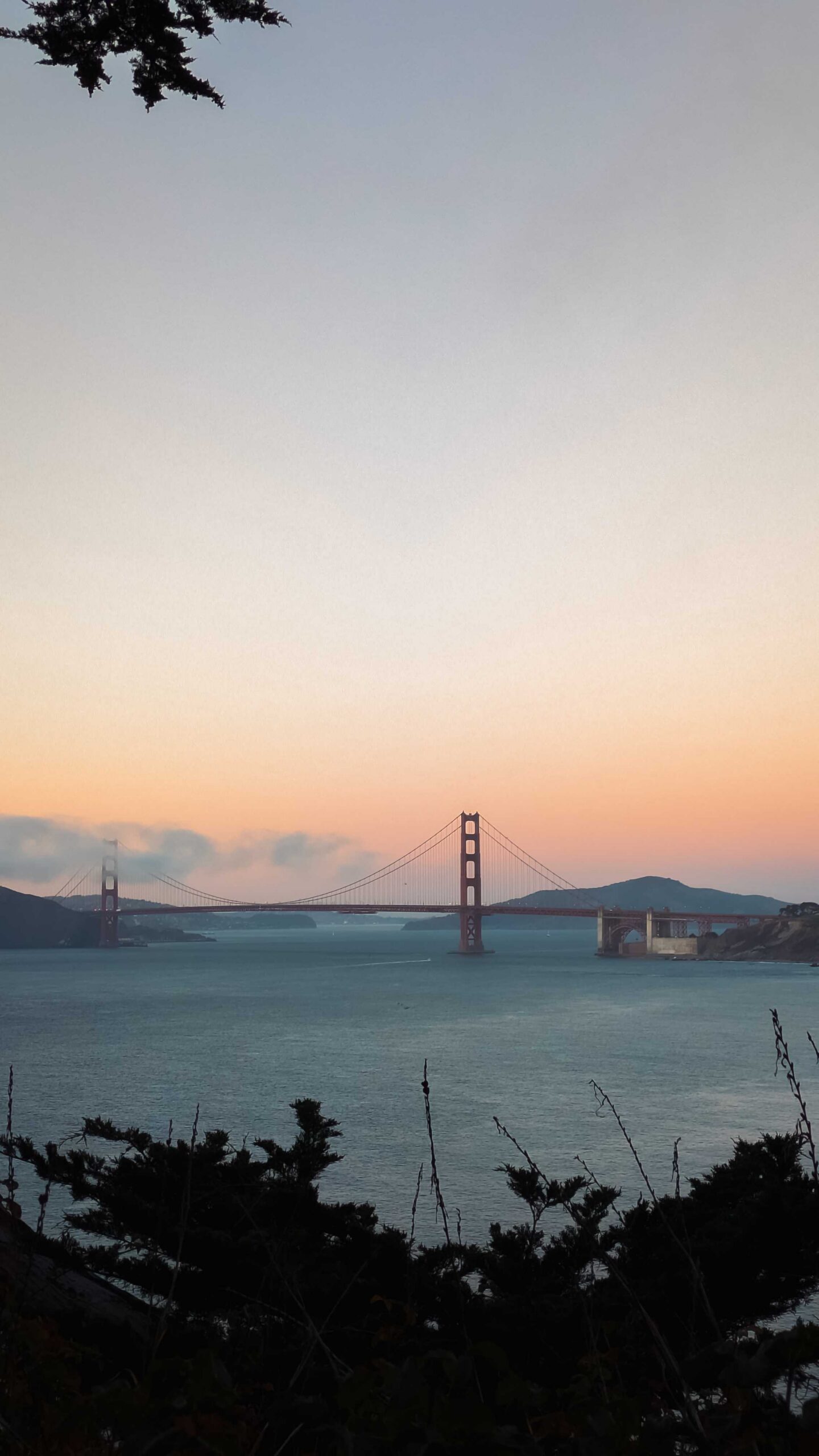
A DD Docs-style video often means traveling somewhere new and immersing ourselves.
Ducks from the live action team in action in the Bay Area. Cody was joined by Nick Roth, Technical Director, and Bailey Williams, Live Action Director, to shoot a docu-style video for C4A. More info on this project below!
So you mentioned we've done this style before. Do you have a favorite?
That's hard. I have a couple favorites if you don't mind.
First, C4A. That's the California Association of Agencies on Aging. This was an incredible project because we got to interview multiple people about causes that they really cared about. We also set up many of the interviews and drove all around San Francisco. We filmed stand-up interviews to lower the time necessary between shoots, and then filmed a lot of b-roll with sound to then use later in the edit. We've actually created a bunch of videos centered around an aging population, but this really felt like we were immersing ourselves in the community. Seeing all these events happening-first hand. Meeting tons of people. It helped our edit feel even more authentic, and was a really cool trip.
The Demo Duck team went on location in San Francisco to shoot a docu-style video for C4A.
Another favorite project in this style is TwistThink. It's special because it's probably one of the original proof-of-concept videos of the DD Docs style. Twistthink is a digital strategy firm that solves problems for their clients in interesting ways. And it felt like a miss to just market such a cool, creative offering with a straightforward ad. So instead, we had their team do a half tech-sprint, half-Project Runway-style challenge which we then filmed docu-style. It was a very strong marketing piece because it showed their true value, their people and their outside-the-box-thinking.
A docu-style video showcased Twistthink's special sauce—the creative problem solving abilities of their people.
Why introduce DD Docs now?
Being real is good for business. You look out there and you see a ton of companies who five, ten, years ago had a super robust video strategy. But now they're just doing a ton of bad AI videos or super-staged user generated content. They even make AI UGC videos now. I think it's really putting a bad taste in a lot of customers' mouths. If you can't take the time to think about producing a well-made marketing video, how are you expected to produce a well-made product? We're already seeing a lot of our clients gravitate towards a humanistic approach and more real stories. And we think DD Docs is a great way to do this. Capturing real people, real places, and adding a boost of authenticity to a marketing video.
What would you say to the AI evangelist who says using AI is a more affordable route?
That's a good question. While they may appear affordable, there can be a lot of hidden costs—especially time. Prompting, trying to navigate legal aspects like credits and usage if you want to use paid dollars to promote it or use it as a broadcast ad. And you really can't put a price tag on the loss of customer respect.
A docu-style video can feel really cinematic and also be friendly to budget. Of course, everything depends on the project and approach. But docu-style can require less gear than a huge shoot on a set and less setup time. It's really about getting the right amount of access to people, places and information and you can do something awesome even without a massive budget.
Sure, we prefer this docu-style to using AI. But still, robots can get in on the fun. Here's one of the author's (Jarrett) favorite docu-style videos that we made for Fictiv.
What types of videos could you make with the DD Docs style?
Just off the top of the head. Well. You could do a documentary about a unique process or workflow your organization uses, like that Twisthink video earlier. Or, create a documentary about one of your flagship products—its history, showing how it's manufactured, how it's used, an interview with someone about its cultural impact. You could do a day-in-the-life of an employee video that shows your workplace culture to then use as a recruiting tool. Multi-location shoot to showcase your different offices. There's tons of ideas to think about. It's a perfect way to bring to life your company history, employee values, or processes.
To put on my marketing hat, I'd say DD Docs style is great for lower-to-middle funnel content. If someone is already aware of your brand or organization, a docu-style video opens the door and invites them in to learn more. Of course, videos with this style could be used throughout the funnel but you just need the right strategy. We're here to help you figure that out and what is right for your project. We'd develop a suggested approach that ensures the video meets your business goals and build from there.
Last question. What is your favorite documentary?
That's a really hard one! I can't fully say which one is my ultimate favorite because there are so many that are good for different reasons. However, one that I recently watched was King of Kong: A Fistful of Quarters. I love documentaries with more niche topics, and this opened me up to the world of competitive arcade gaming, which I knew very little about. I was pulled in pretty quickly, and I could have watched hours and hours more of the story. It led me to watch more documentaries about gaming, which is a sign of a good documentary. I also recommend Insert Coin, which follows the history of Chicago's own Midway Games.